
Neuroplasticity: Why Consistency Changes Everything (Even When It Doesn’t Feel Like It Yet)
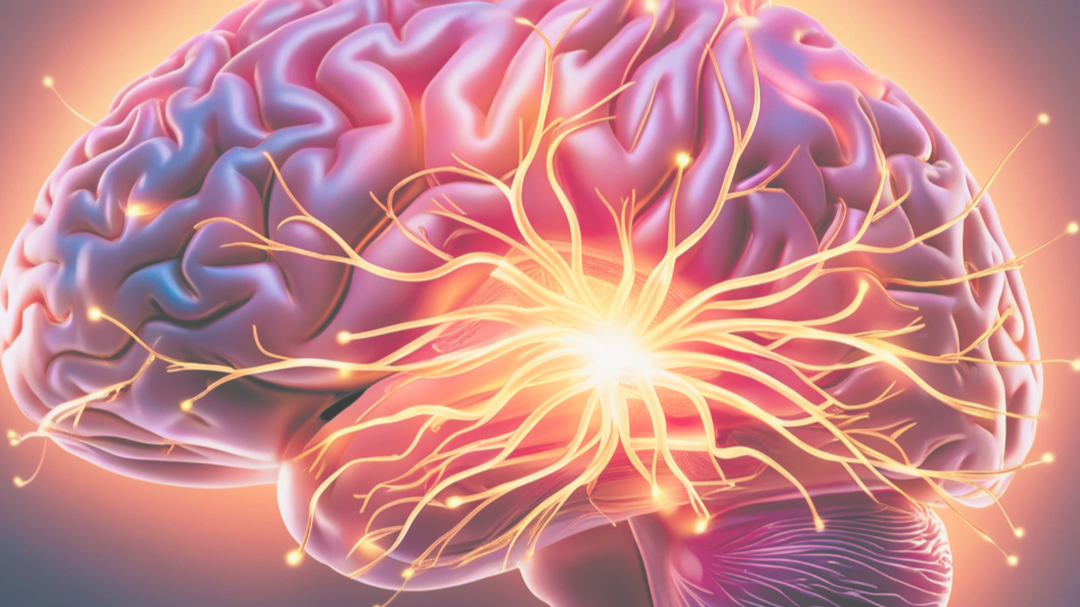
Neuroplasticity: the key to success
Your brain will choose familiar over better… every time.
Until you teach it something new.
Consistency is how you do that.
There’s a moment at the beginning of any new routine where everything feels possible.
You’re motivated. Clear. Committed.
You set the goals. You show up strong.
And then, somewhere around week three or four, something shifts.
The workouts feel harder. The soreness lingers. Life gets louder.
And the voice of your old habits starts speaking a little more convincingly.
This is where most people stop.
Not because they aren’t capable.
But because they are still operating from old neural pathways.
Your Brain Prefers What It Knows
Neuroplasticity in fitness is the process by which the brain forms new neural pathways through consistent movement, repetition, and behavior change.
It is the brain’s ability to reorganize itself by forming new neural connections. It is not reserved for extreme cases or elite performers. It is happening constantly.
Every habit you have today, from how you move your body to how you respond to stress, exists because your brain has practiced that pattern enough times to make it efficient.
Your brain is not wired for transformation.
It is wired for familiarity.
So when you begin something new, like strength training, hydration habits, or intentional recovery, your system does not immediately recognize it as beneficial.
It recognizes it as unfamiliar.
And unfamiliar feels uncomfortable.
Why the Beginning Feels So Hard
In the early stages of change, you are asking your brain and body to take a route they have not traveled before.
Movement feels awkward.
Effort feels amplified.
Consistency feels like friction.
This is not failure. This is construction.
You are quite literally building new neural pathways.
But here’s the part most people misunderstand:
You will not see significant physiological or behavioral change in the first few weeks.
Not because nothing is happening.
But because the foundation within your body is still being developed and that takes time to see and feel.
Consistency Is the Rewiring Process
Real change does not come from intensity.
It comes from repetition.
Every time you show up, even when it feels inconvenient or imperfect, you are sending a signal:
This matters. Do this again.
Over time, those signals strengthen. The pathway becomes clearer. More efficient.
And eventually, something subtle but powerful happens.
You stop forcing the behavior.
You begin defaulting to it. It starts happening naturally.
When the Shift Happens
There comes a point where your body and mind begin to adapt in a way that feels almost unintentional.
You crave movement.
You notice when you haven’t hydrated.
Your posture begins to correct itself without constant thought.
Your decisions start aligning with the person you’ve been trying to become.
This is neuroplasticity at work.
Not overnight. Not in a dramatic transformation.
But through repeated, consistent exposure to a new way of being.
The Nervous System Piece Most People Miss
As consistency builds, your nervous system begins to regulate.
You are no longer in a constant state of resistance or overwhelm when approaching change (showing up for a workout, taking on a new task…).
Instead, your system starts to recognize these behaviors as safe.
This is where deeper healing and progress begin.
Because a regulated nervous system supports:
Better recovery
Clearer decision making
Improved movement patterns
Emotional stability
Long-term adherence
This is the difference between forcing change and becoming someone who sustains it.
Reinforce What You Are Building
One of the most important parts of creating new neural pathways is reinforcement.
Your brain pays attention to what you emphasize.
If you constantly focus on what you are not doing, you strengthen the pathway of inadequacy.
If you recognize each small win, each completed workout, each intentional choice, you strengthen the pathway of progress.
Celebrate the repetition.
Acknowledge the effort.
Feel the shift happening, even if it’s small.
Because it is those small, repeated signals that create lasting change.
This Is Available to You
Neuroplasticity means you are not stuck.
Not in your habits.
Not in your patterns.
Not in your current level of fitness or mindset.
But it also means this:
You cannot rush the process.
Lasting physiological and behavioral change is built through long-term commitment to consistency.
Not perfection.
Not intensity.
Consistency.
Show up enough times, and your brain will adapt.
Your body will follow.
And eventually, what once felt difficult will become part of who you are.
