
What Is a Strength Phase (and Why It Works So Well for Your Body)
If you’ve mostly trained with circuits, cardio classes, or higher-rep workouts, the idea of a strength phase can feel unfamiliar or even intimidating.
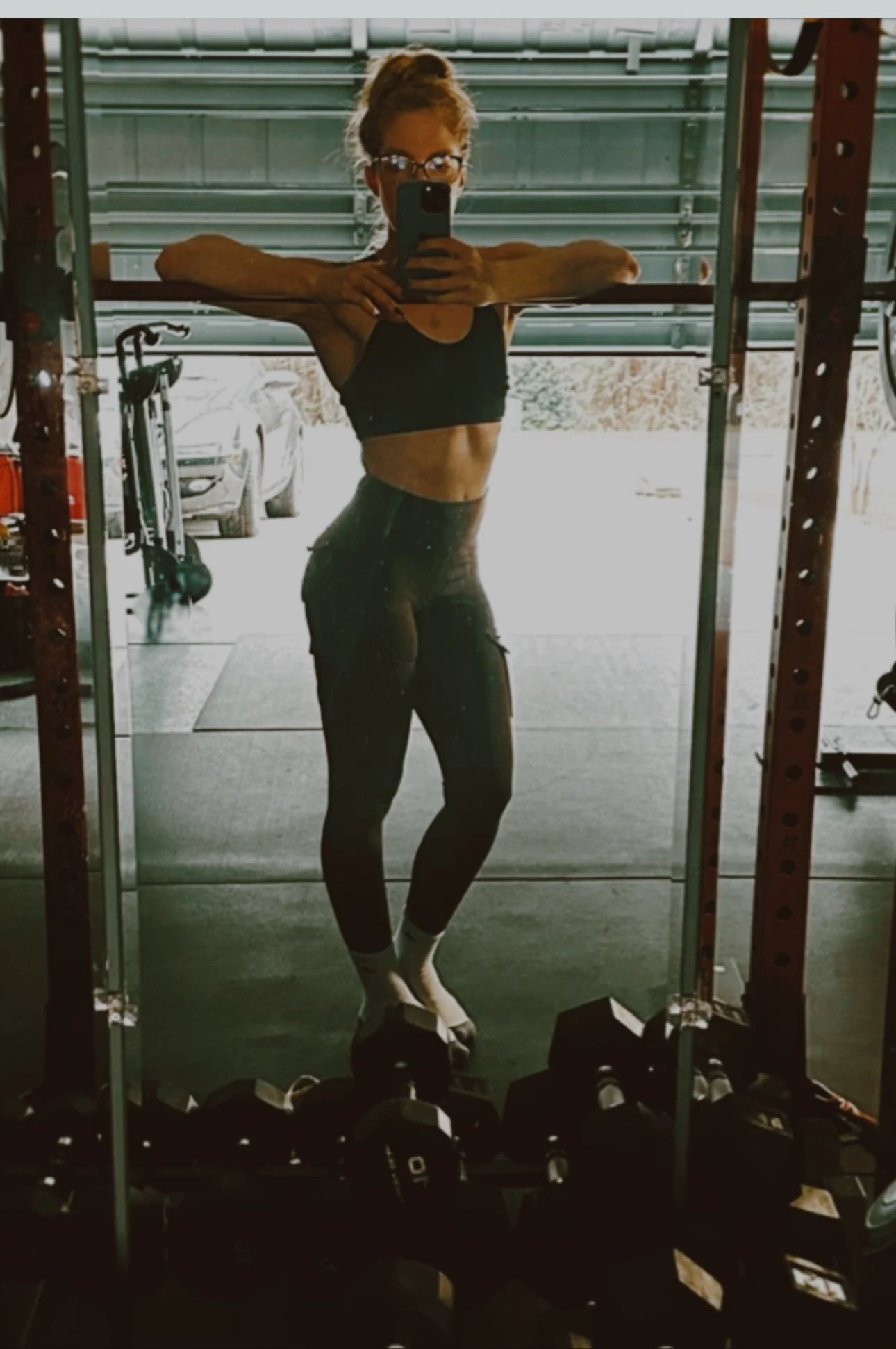
A strength phase isn’t about becoming a powerlifter.
It’s simply a season of training where the main focus is getting stronger instead of just burning calories or chasing exhaustion.
Let’s break down what that really means, how it benefits your body, and how to use weights in a way that actually builds long-term strength.
What Is a Strength Phase?
Think of your training year like seasons:
Some seasons build endurance
Some focus on conditioning
Some are about recovery and maintenance
And some are about building strength
A strength phase is usually a 4–8 week block where the goal is:
Lift heavier weights
Use more full-body, compound movements
Work in lower rep ranges (often 6–8 or 8–10)
Rest long enough between sets to lift well again
Instead of rushing from exercise to exercise, you slow down and focus on:
Force production
Form
Stability
Gradual progression
How a Strength Phase Changes Your Body
1. Your Nervous System Gets Stronger First
Strength isn’t just about muscle size. Your nervous system learns how to:
Turn on more muscle fibers
Coordinate movement more efficiently
Produce more force with the same muscles
This is why many people feel stronger before they look dramatically different. That’s not “nothing happening.” That’s neurological adaptation and it’s powerful.
2. Your Muscles Get a Clear Growth Signal
Heavier weights in the 6–8 and 8–10 rep ranges create high
mechanical tension, which is one of the main drivers of muscle growth.
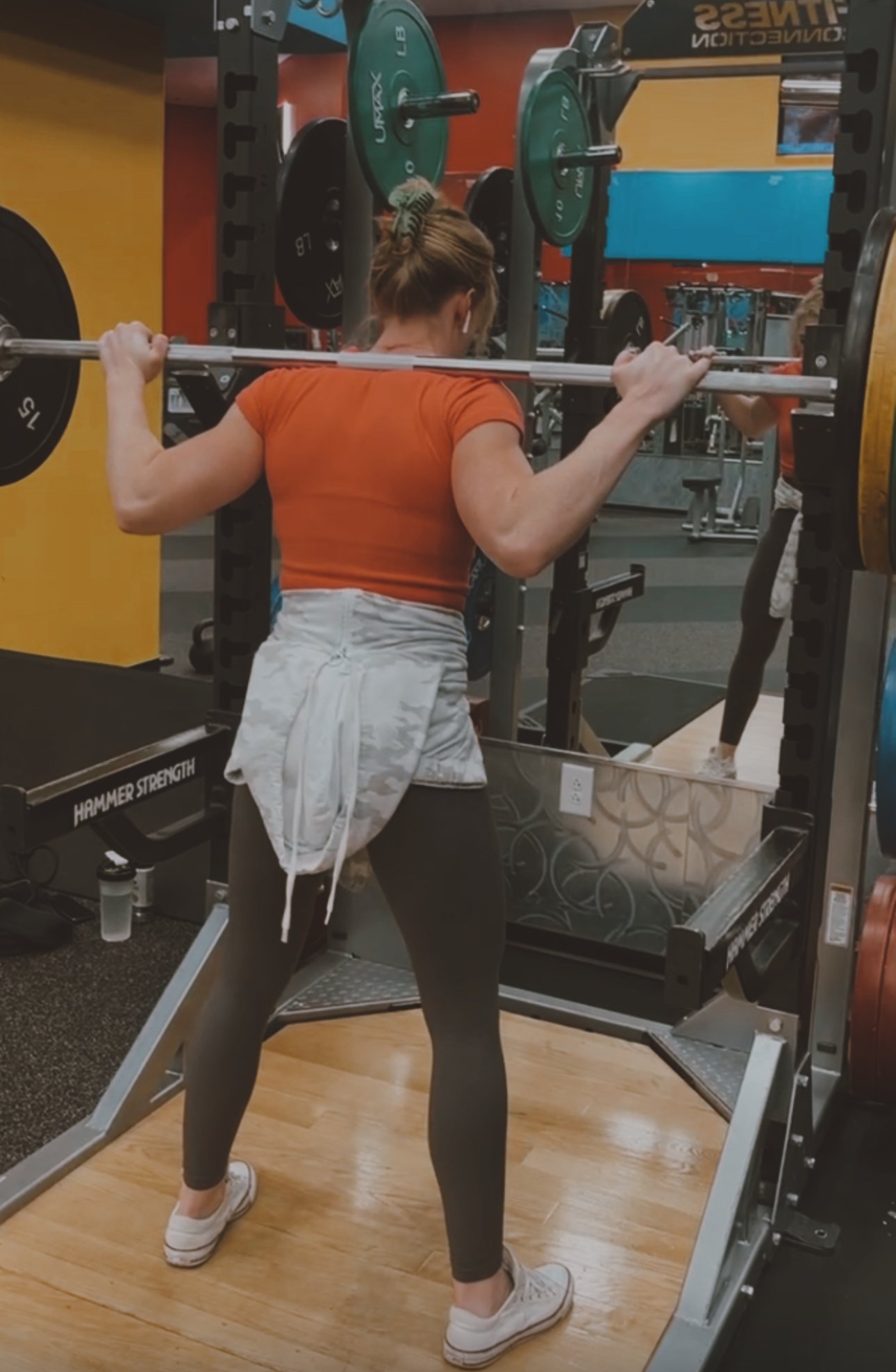
You don’t need endless reps to build muscle.
In fact, controlled, challenging reps with enough load often stimulate growth more effectively.
3. Your Joints and Connective Tissue Adapt
When progressed properly, strength training helps:
Strengthen tendons and ligaments
Improve joint stability
Increase resilience in daily life
This is one reason strength training is so protective as we age. It makes the whole system more durable, not just the muscles.
4. Daily Life Gets Easier
As strength increases, people often notice:
Carrying groceries feels lighter
Getting off the floor feels easier
Stairs feel less taxing
Confidence in the body increases
This is real-world strength; the kind that shows up outside the gym.
Why Lower Rep Ranges Matter
In a strength phase, you’ll often see rep ranges like:
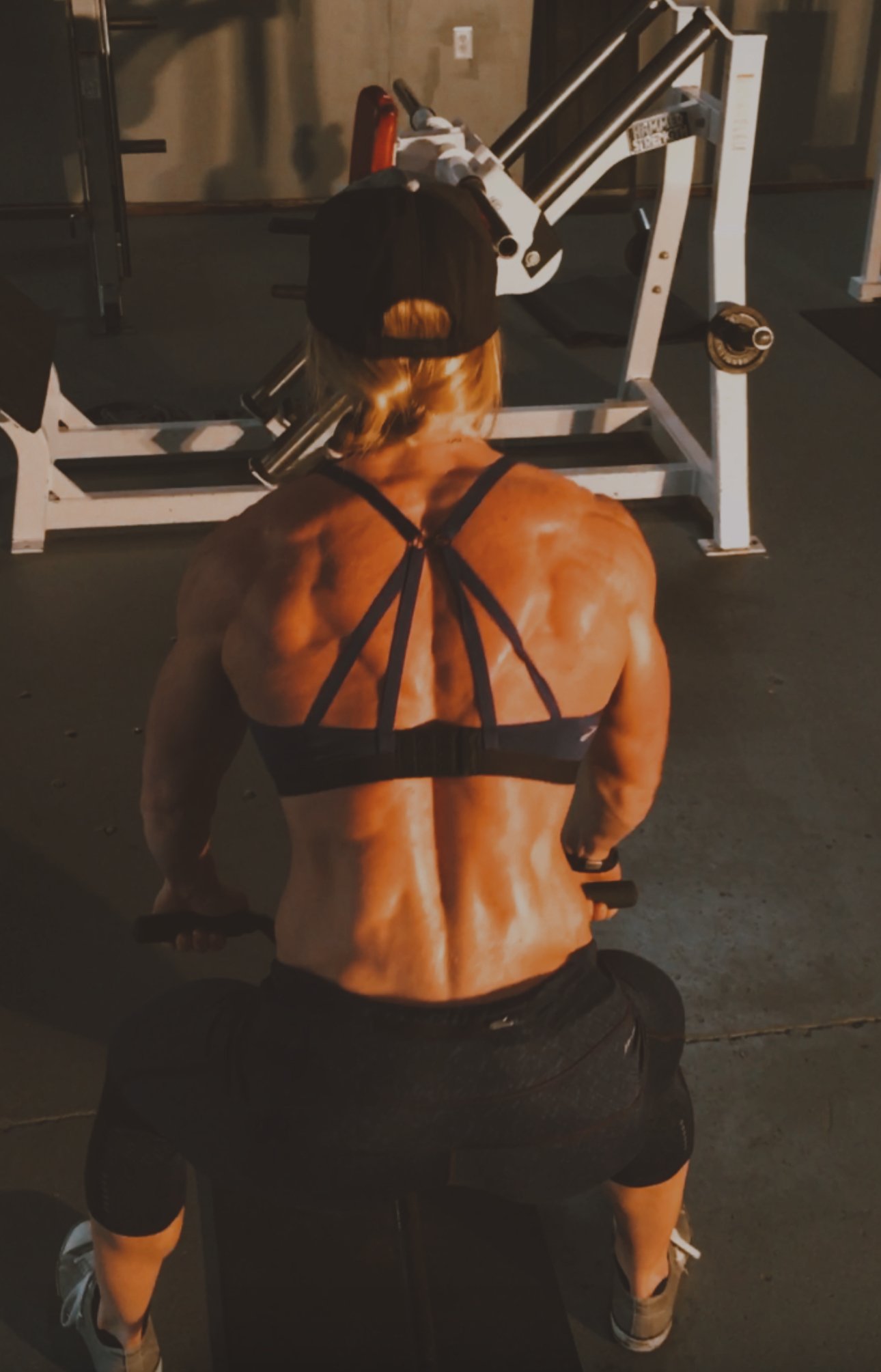
6–8 reps for big compound movements
8–10 reps for accessory lifts
These ranges allow you to:
Use a weight that truly challenges the muscles
Maintain proper form
Build both strength and muscle
If you’re constantly doing 15–25 reps with light weight, you’re training endurance more than true strength. That’s not wrong, of course. It’s just a different adaptation. Both forms of training are important, beneficial, and necessary.
How to Use Weights to Actually Get Stronger
Here’s the simple version:
1. Pick a weight that feels challenging near the end of your set
You should feel:
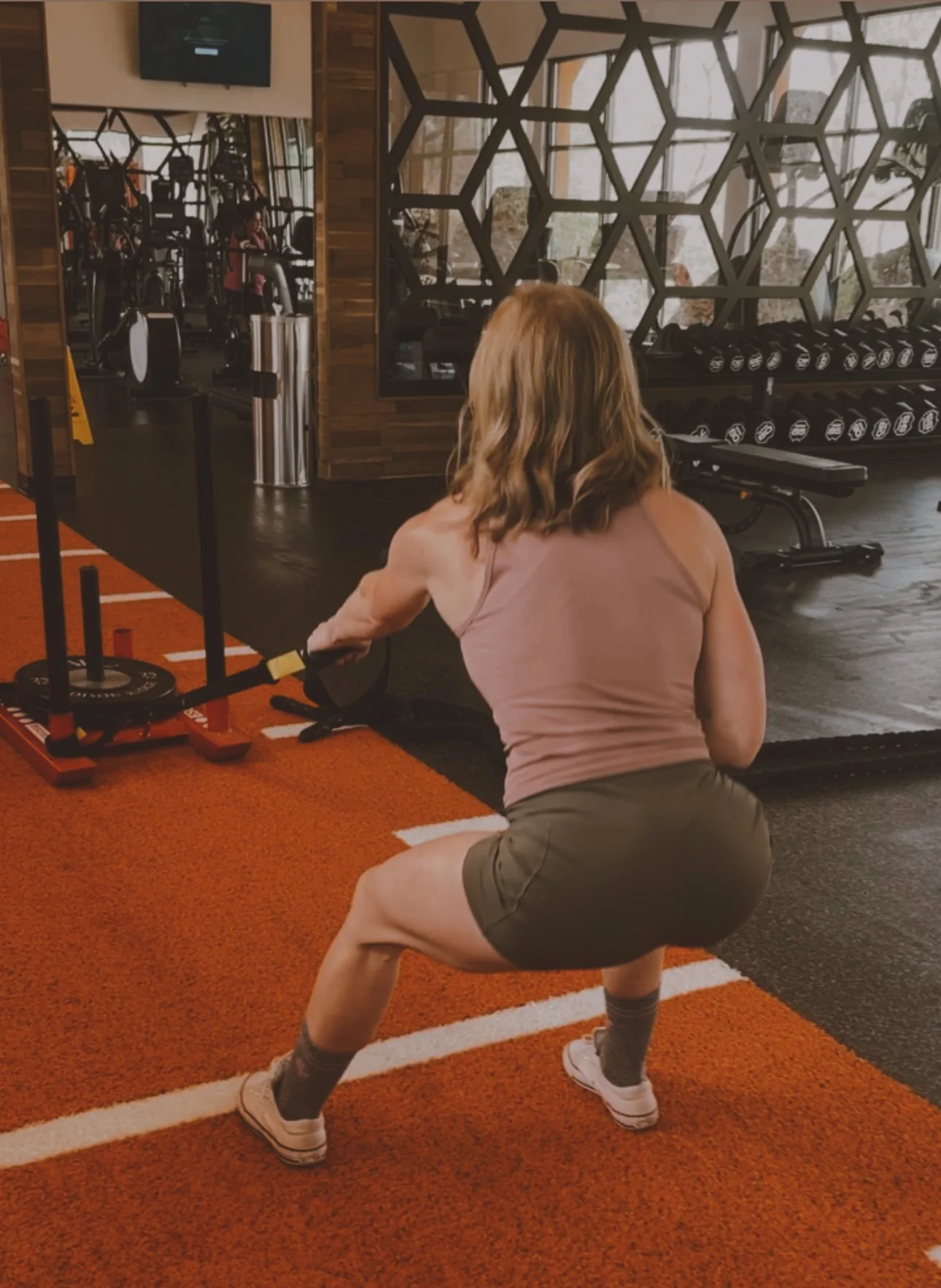
Focused
Working hard
Like you might have 1–2 good reps left
2. Keep your form stable and controlled
Strength grows best when:
Joints are stacked
The core is engaged
The movement is owned but not rushed
3. Increase slowly over time
Progress can look like:
Adding 2.5–5 pounds
Adding one rep
Improving depth or control
All of these count as strength gains.
Why Strength Training Feels Different Than “Burnout” Workouts
During a strength phase, you might notice:
Longer rest periods
Lower heart rates
Less breathless fatigue
More focus between sets
You may not always leave drenched in sweat. And that’s okay.
The goal here isn’t to feel destroyed. The ultimate goal of a strength phase is to train your body to produce more force with control.
Is a Strength Phase Right for You?
Most women benefit from having at least one or two dedicated strength phases each year, especially if you want to:
Feel more capable in your body
Build visible muscle
Improve bone density
Increase long-term metabolic health
Stop feeling exhausted after every workout
You don’t need to be “advanced.” You just need:
A smart plan
Appropriate starting weights
Gradual progression
Support when things feel off
Proper form
Putting It All Together
A strength phase is your body’s chance to say:
“I’m not just surviving workouts; I’m actually adapting and getting stronger. The weights are getting easier.”
By lifting heavier, working in lower rep ranges, and focusing on full-body movements, you’re giving your muscles, nervous system, and joints a clear signal to get stronger.
You don’t need perfection.
You don’t need extremes.
You just need consistency, patience, and a willingness to feel a little uncomfortable in the name of growth.
