Fueling for Recovery: My Phase-Based Approach before & After Abdominal Muscle Repair
A Phase-Based Approach to Recovery Nutrition
Nutrition during recovery is not one-size-fits-all.
The way I approached food before and after my tummy tuck was shaped by my personal health history, including mixed connective tissue disease, POTS, and mast cell reactivity. I have learned through the years these factors significantly influence hydration needs, inflammation patterns, energy stability, and food tolerance.
Rather than following a rigid plan that feels constrictive and general, I used a framework that has served me well personally and professionally: observe, adjust, repeat. I paid attention to swelling, digestion, strength output, energy levels, and overall recovery markers and made thoughtful corrections as needed.
This isn’t a prescription. It’s a look into how I prepared and supported my body through surgery and healing.
Six Weeks Before Surgery: Building Reserves
My preparation and recovery began well before the procedure itself. In fact, I would have felt even better prior to surgery if I had started earlier than six weeks out.
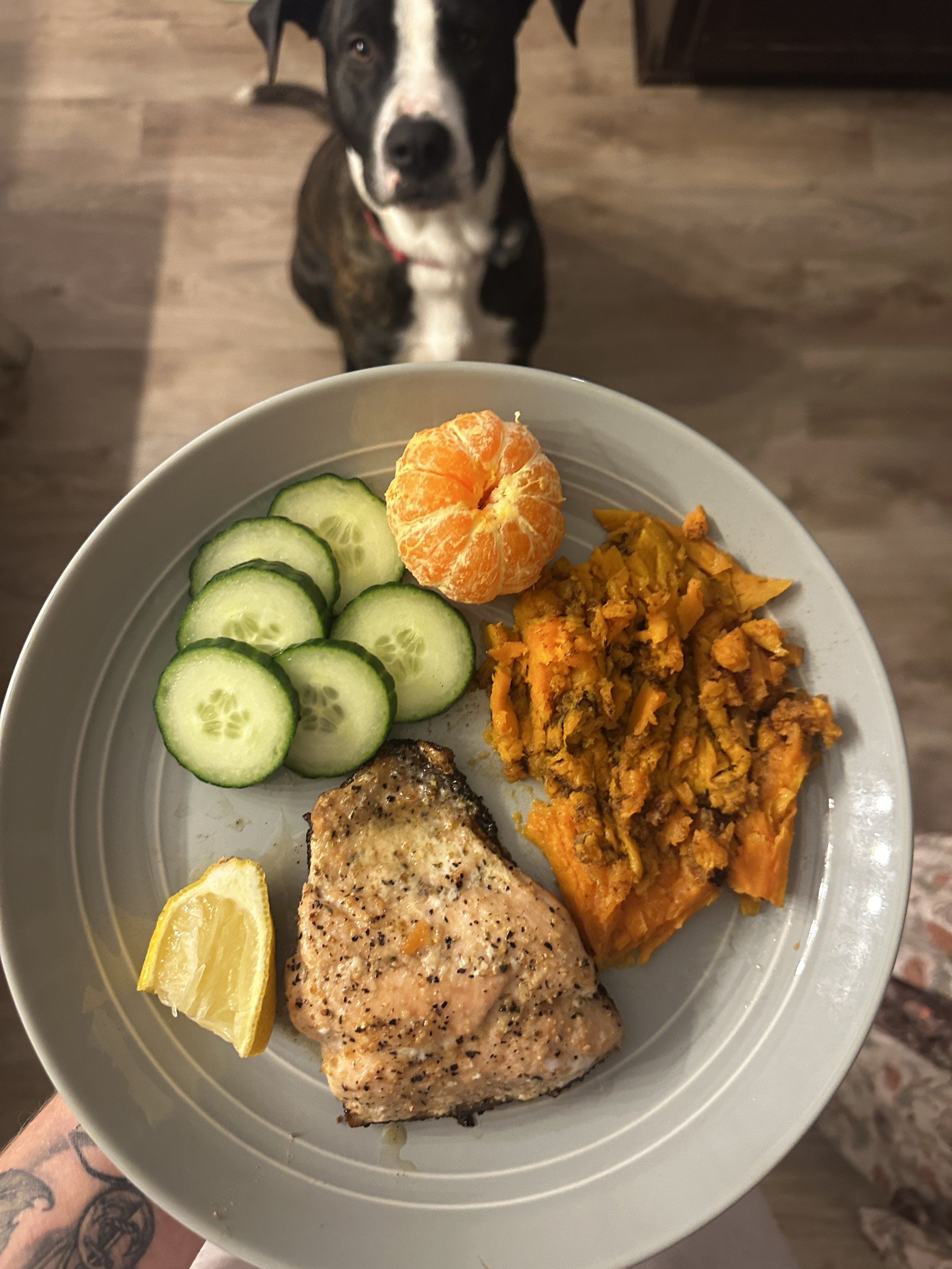
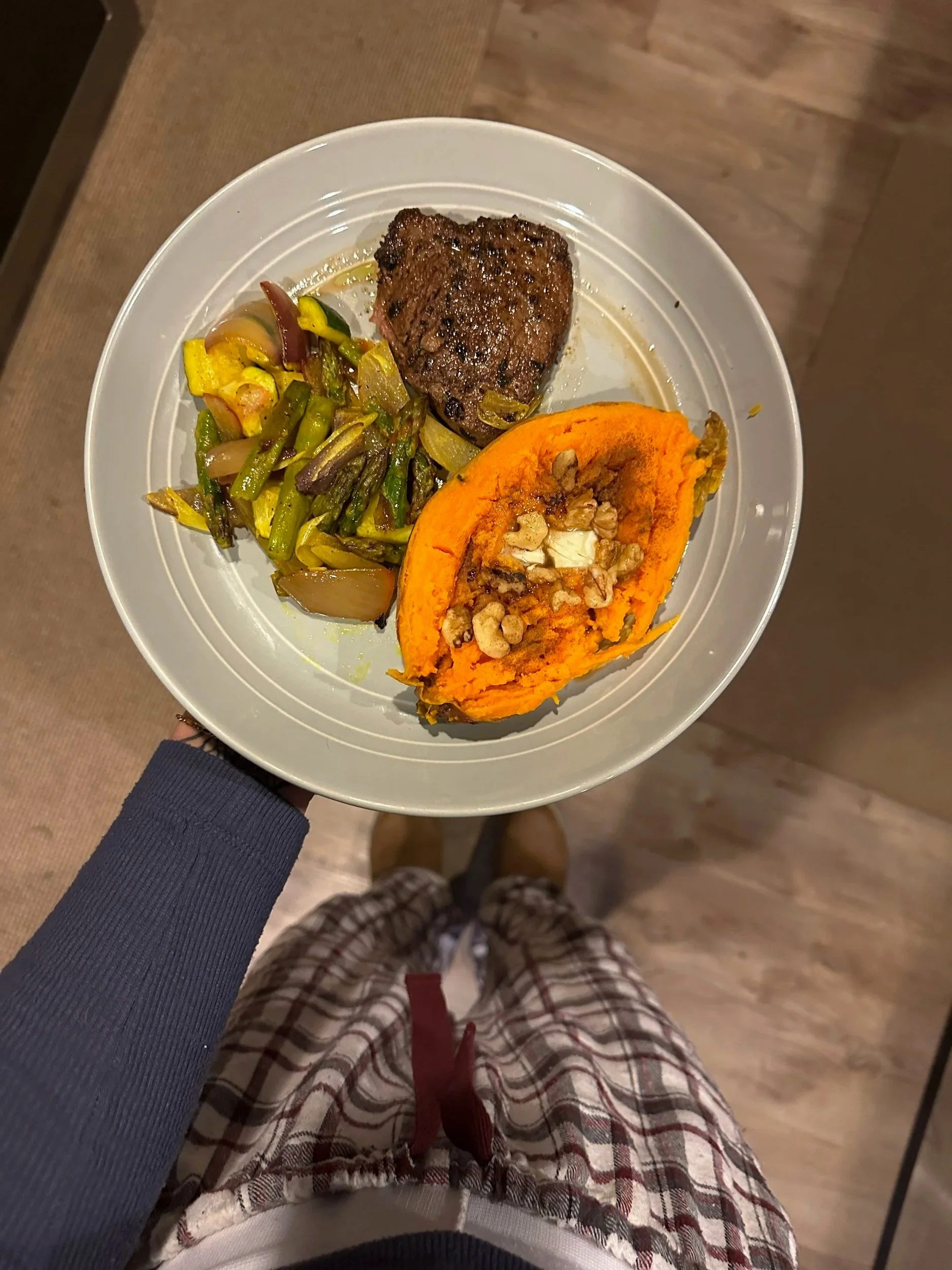
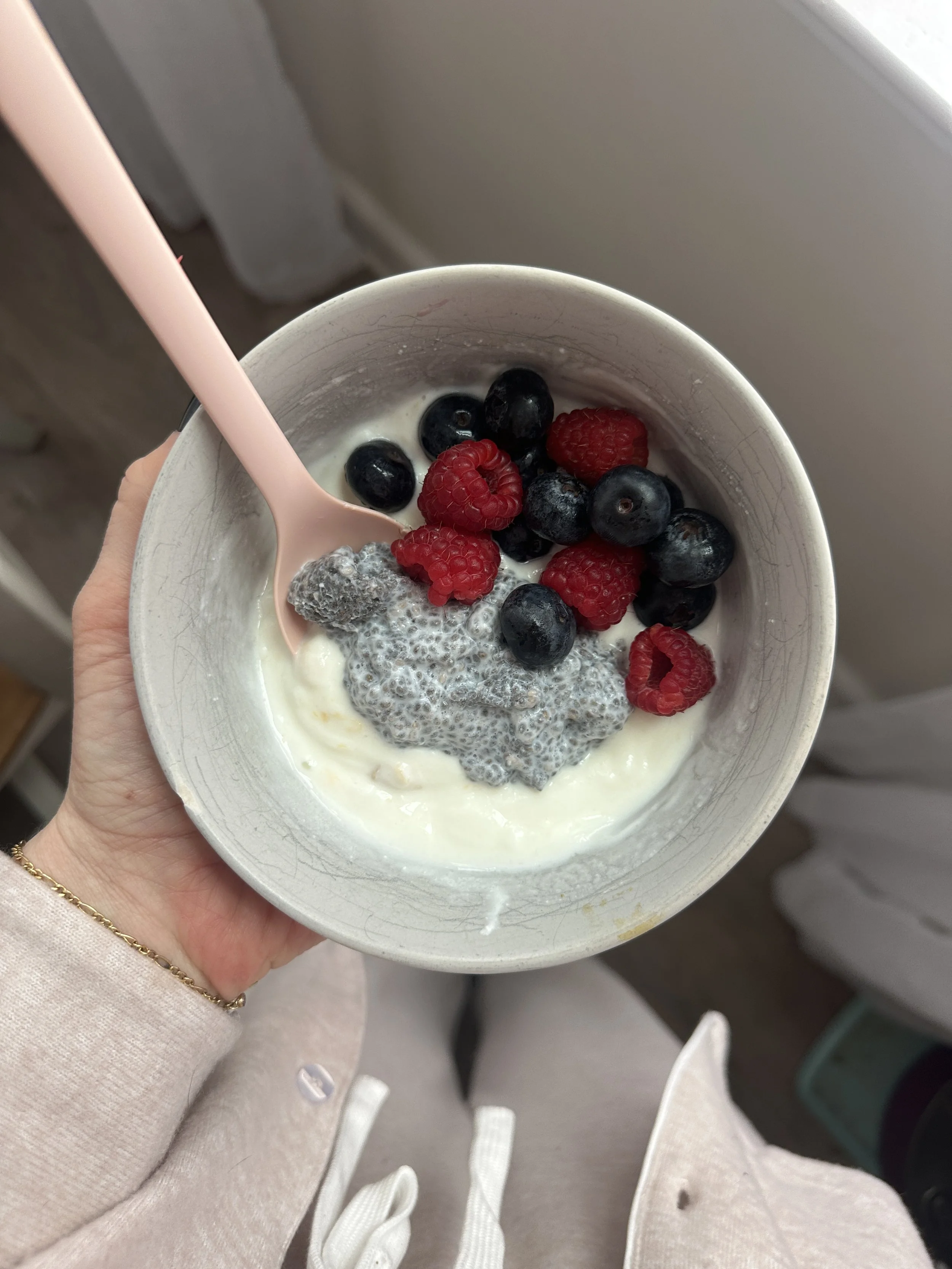
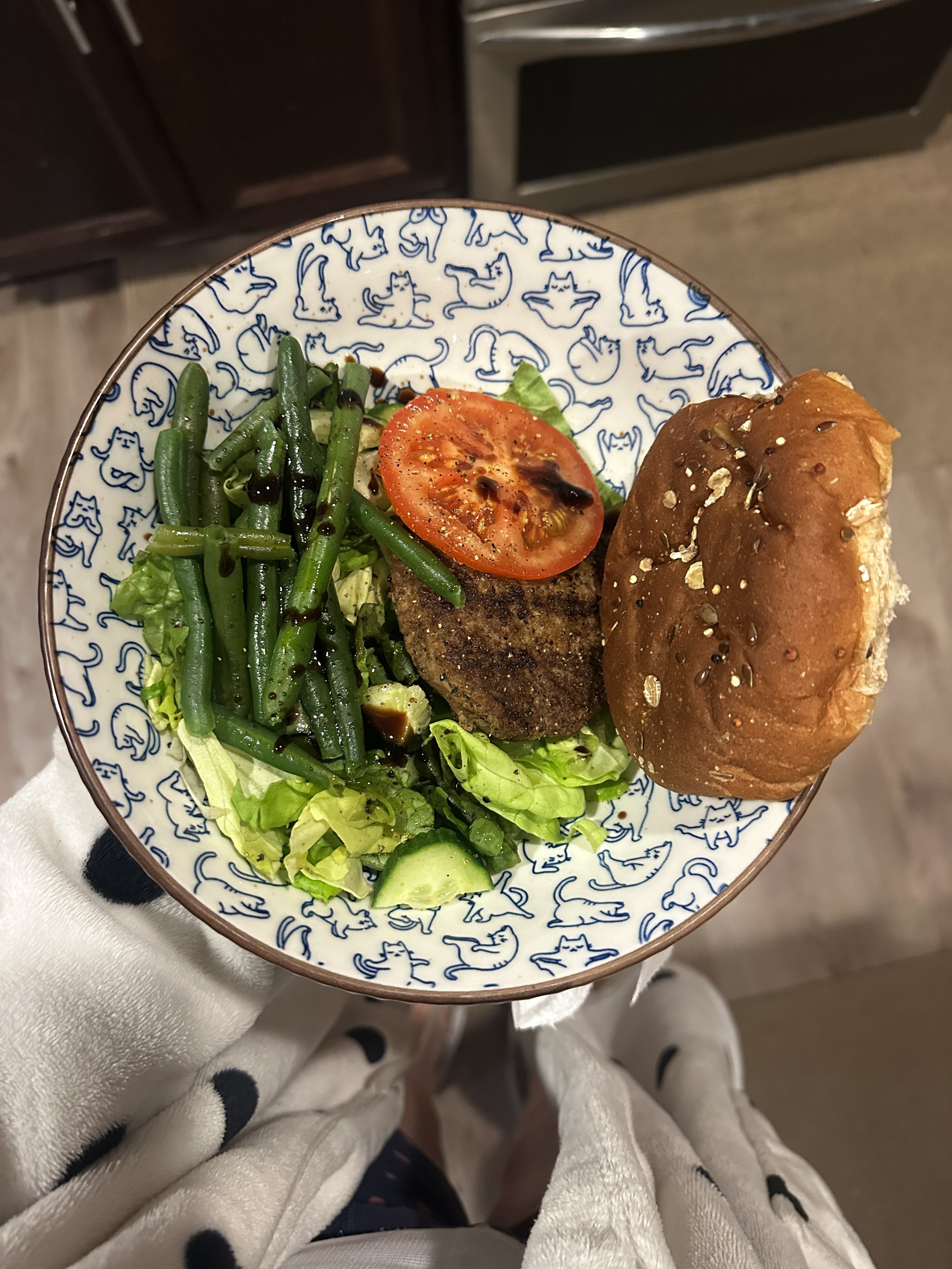
About six weeks prior to surgery, I intentionally shifted my nutrition to support tissue health, energy availability, and overall resilience. My immediate need was to increase my protein and eat more throughout my day. Each morning, I incorporated collagen alongside a protein-forward breakfast. Throughout the day, I prioritized consistent meals built around whole, nutrient-dense foods.
Every week, I evaluated how I felt in my training sessions and in daily life. The feedback was exactly as I expected: when I fueled consistently, I felt strong and energized. On busier days when I unintentionally ate less, my strength dipped and my energy followed.
Adequate nourishment and hydration mattered.
Three weeks before surgery, I eliminated alcohol entirely and reduced dairy intake. For me, alcohol reliably increases systemic swelling and can trigger mast cell–related symptoms. Larger amounts of dairy tend to cause bloating and stomach discomfort. Neither felt supportive heading into abdominal surgery.
This wasn’t about restriction or perfection. It was about reducing known triggers and entering surgery with as little additional inflammatory stress as possible. I never felt overwhelmed by my pre-surgery nutrition because I knew it would be best for my body and that provided ease to my nervous system.
Preparation, for me, meant creating a stable internal environment before asking my body to heal; especially when the conditions within my body make healing a little more complicated.
The Final Three Days: Simplifying Digestion
In the final three days before surgery, I simplified my meals even further.
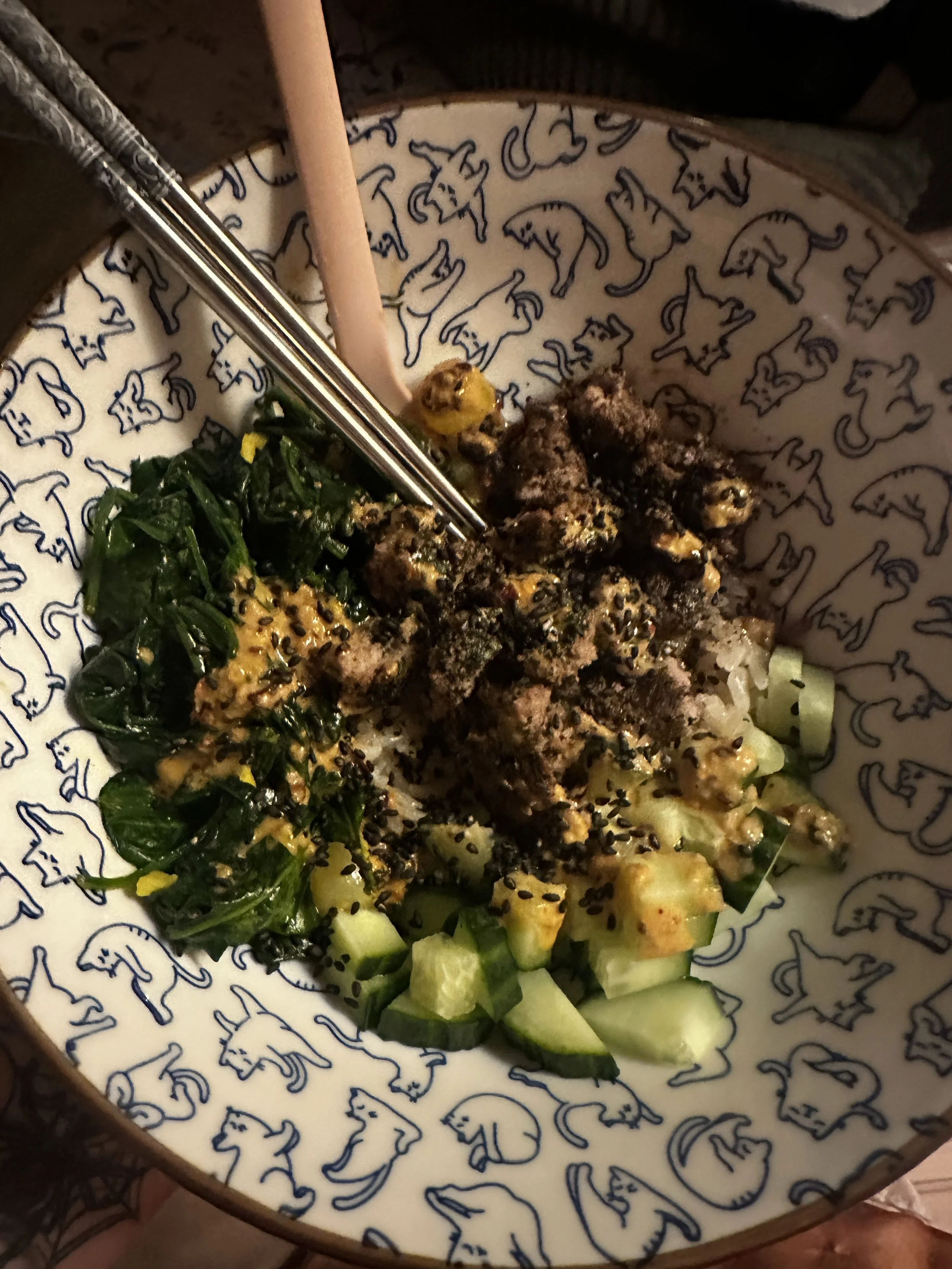
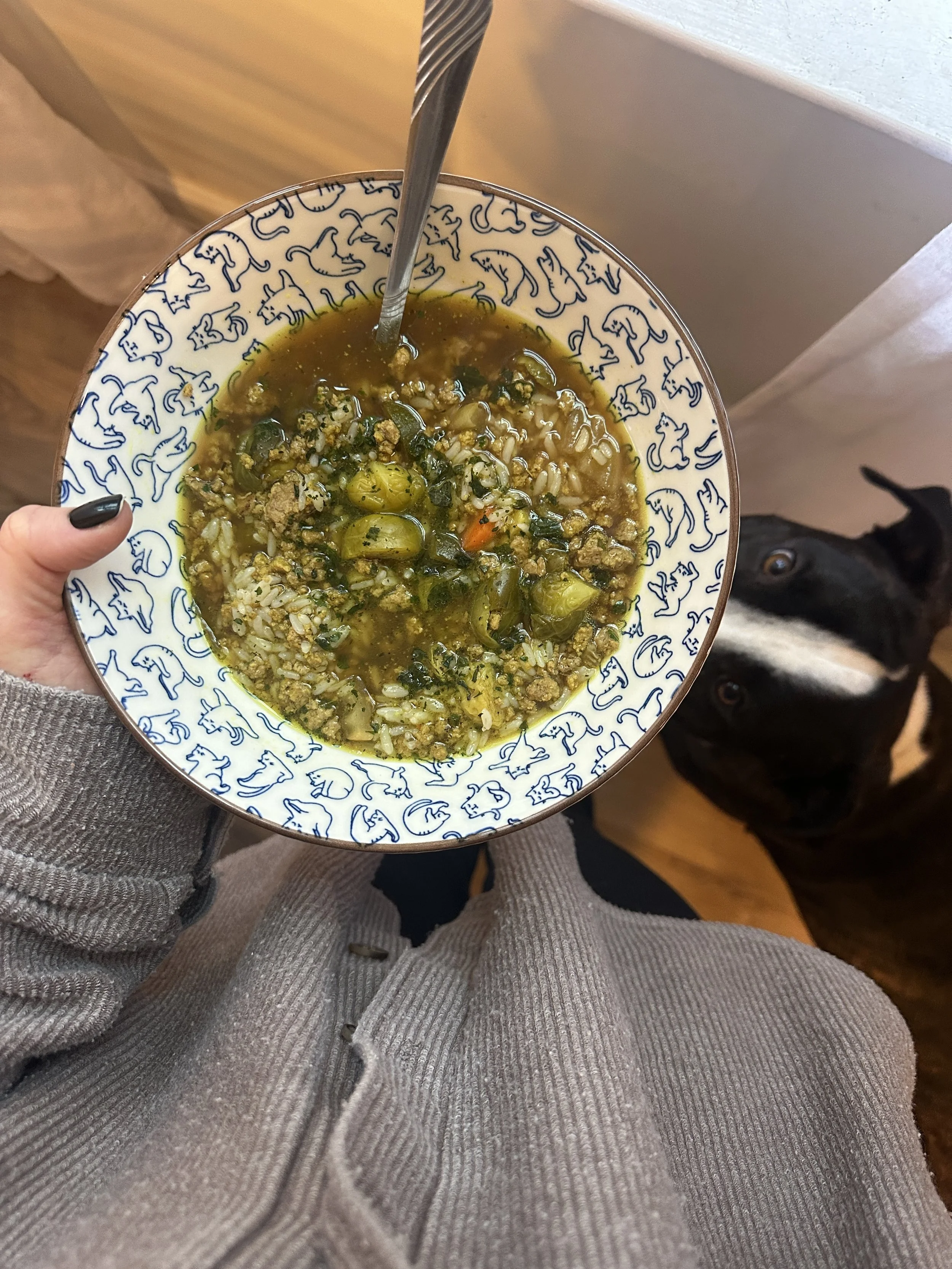
I consumed more bone broth, lightly cooked vegetables, soft proteins, and foods I knew my body tolerated well. I avoided foods that historically caused bloating or excess gas. The last thing I wanted was to feel bloated from food while also feeling post-surgery swelling.
After abdominal surgery, even mild digestive discomfort can feel amplified. Entering surgery with a calm digestive system felt important.
I followed a similar approach for the first five to seven days post-operatively. During that window, I kept meals simple and relatively repetitive. If something increased bloating, swelling, or stomach discomfort, I removed it.
There was no attachment to variety, just responsiveness.
Fewer variables meant less stress and easier recovery.
Phase 1: Immediate Post-Op (Days 1–7)
The early phase of recovery is marked by inflammation, fluctuating appetite, and digestive sensitivity. It was also a time where my POTS symptoms surfaced, and my blood pressure fluctuated more than usual. During this time, hydration, protein, and digestive ease were the priorities.
Small, frequent meals. Warm foods. Simple ingredients.
Because I have POTS, hydration and electrolyte balance are always central for me. My usual symptom-management strategy includes increased sodium intake to support blood volume and reduce dizziness and fatigue.
However, post-surgical swelling and fluid/pressure changes introduced a new variable.
In the immediate recovery phase, I aimed for balance which meant enough electrolyte support to maintain autonomic stability without exacerbating fluid retention. This meant paying attention to swelling patterns, blood pressure trends, and overall comfort rather than automatically increasing sodium intake.
Autonomic regulation and tissue healing can sometimes pull in different directions. Recovery required paying attention and honoring both.
Phase 2: Early Tissue Repair (Weeks 2–4)
As swelling stabilized and appetite improved, I shifted toward supporting active tissue remodeling.
Protein intake remained a priority. I emphasized whole foods rich in micronutrients. Colorful fruits and vegetables quality fats, and consistent meals. Collagen synthesis is nutrient-dependent, and entering this phase under-fueled didn’t make sense.
Energy gradually returned during this window, and digestion felt more predictable. My body started feeling so good I had to remind myself I was still very much in active recovery.
Rather than dramatically increasing intake, I focused on consistency and sufficiency. I also focused on pairing foods that made sense for nutrient absorption.
Phase 3: Rebuilding & Gradual Return to Strength
I’m not fully in this phase yet and plan to discuss my program as I walk through this phase in the coming weeks/months.
As movement becomes more structured and my surgeon clears me for exercise, nutrition will shift from primarily supporting repair to supporting rebuilding. Protein will remain foundational, and carbohydrates will likely increase modestly to match training demand and increased energy needs. This is not a time for reduced calories or dieting.
This process has reminded me how good I feel with consistent, protein-forward, whole-food meals. The structure hasn’t felt restrictive but has felt stabilizing and healing. My energy has been steady. My digestion has been calmer. My training leading up to surgery felt strong.
This experience has reignited my appreciation and dedication to properly fueling my body.
I plan to continue eating with longevity, inflammation management, and connective tissue health in mind. Healing from abdominal muscle repair doesn’t end at four weeks. Tissue remodeling is a longer process, and I want to support that fully.
I know from experience how much better my body looks, performs, and feels when I fuel it well. That isn’t about aesthetics; it’s about functionality and longevity.
As I transition back into structured training, my nutrition will evolve alongside it. The foundation, however, will remain the same: whole foods, adequate protein, thoughtful hydration, and responsiveness to what my body communicates.
A Note on Individualization
Recovery nutrition is deeply personal.
My approach reflected my physiology, my health conditions, and years of learning how my body responds to different inputs. What supported me may not be identical to what supports someone else.
Surgery places significant demand on the body. Entering that experience well-nourished and adapting phase by phase felt like meaningful preparation.
This is Part 2 of a recovery series. In the next post, I’ll share how I approached nervous system regulation and the mental aspect of surgery and recovery.